


Description
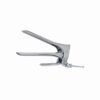
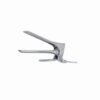
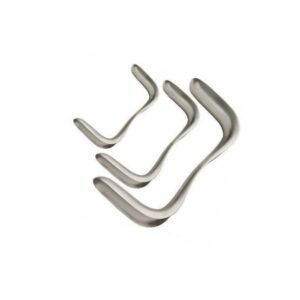
Cusco’s vaginal speculum
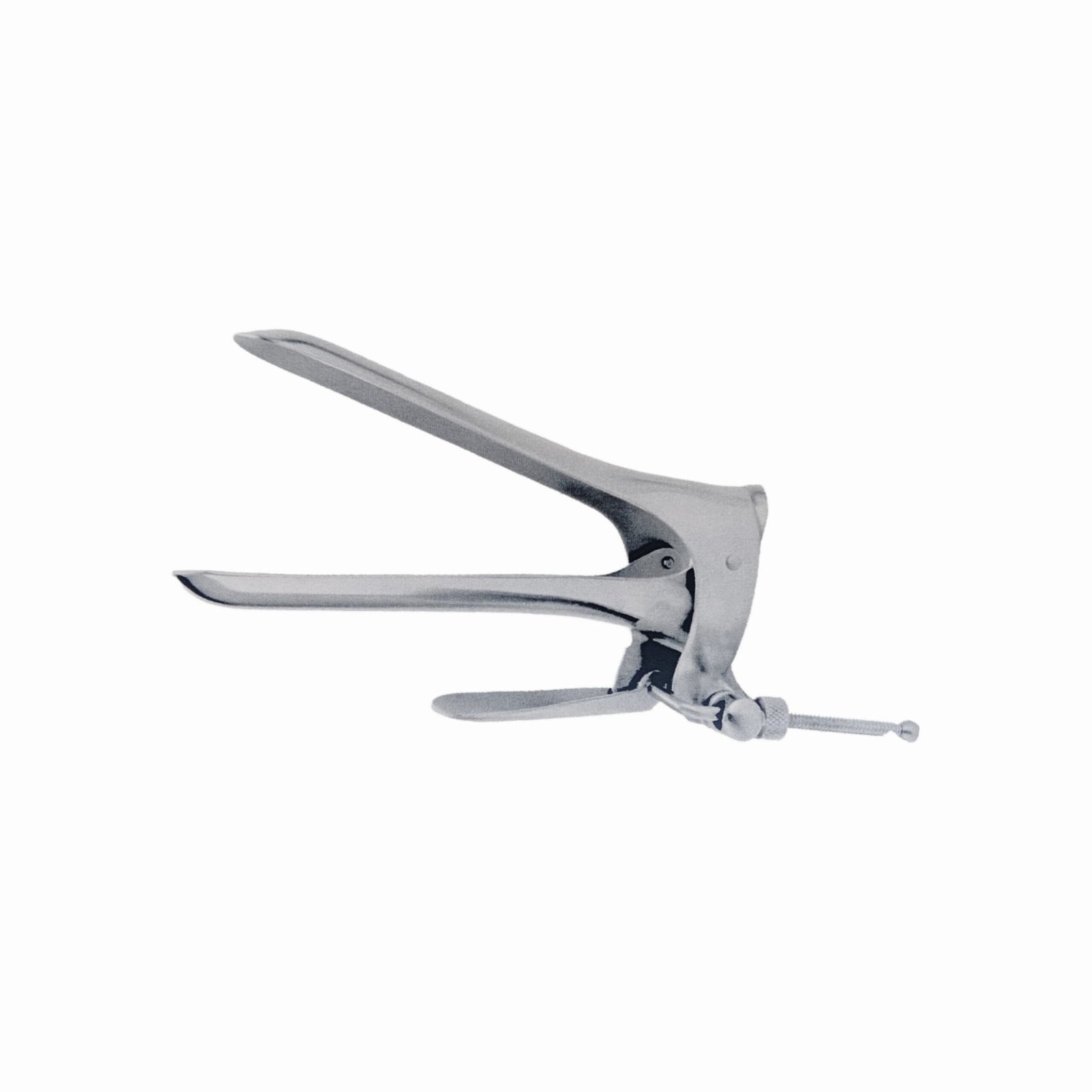
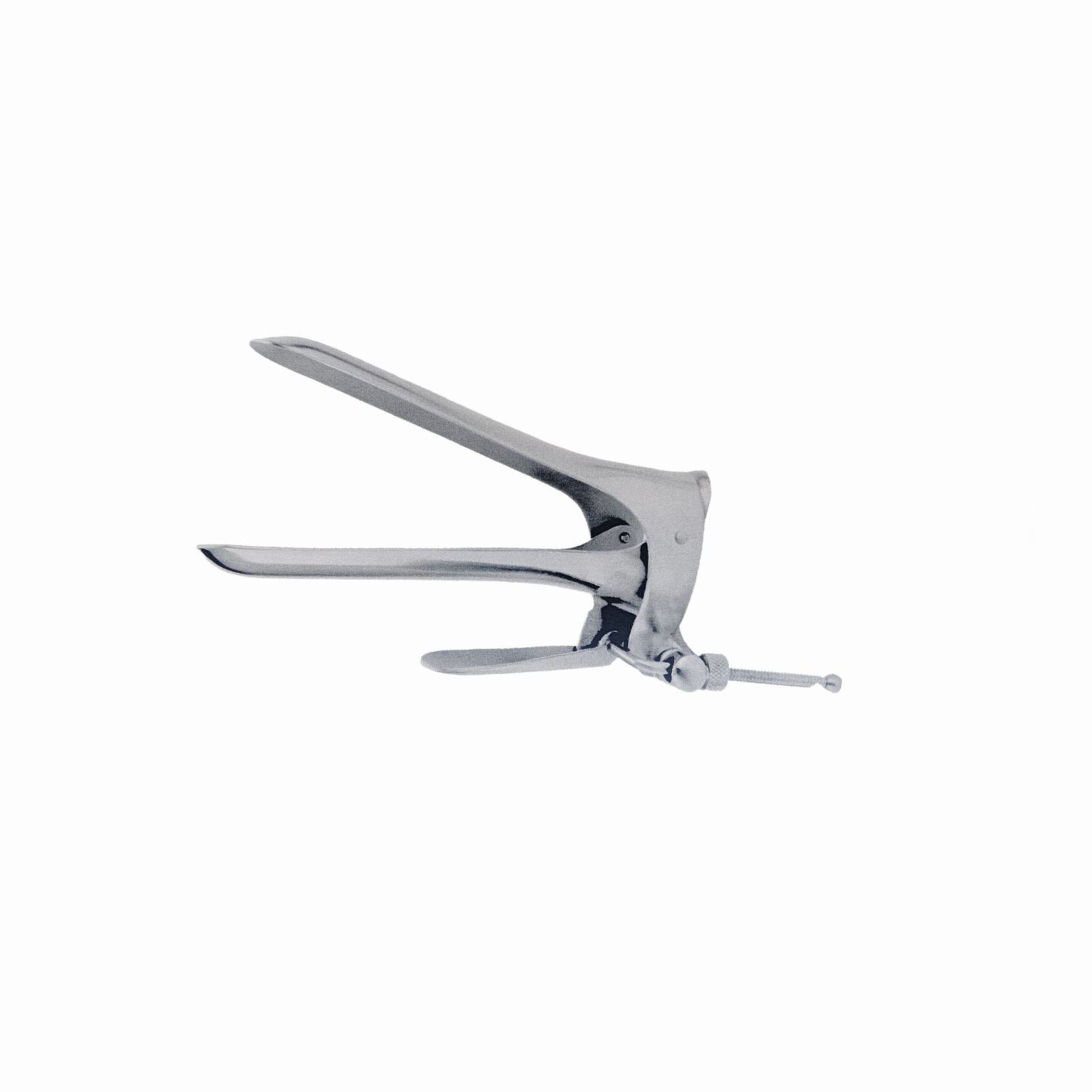
Cusco’s vaginal speculum is a specialized, self-retaining gynecological instrument used to widen the vaginal walls to allow for examination of the vagina and cervix. Designed by French surgeon Édouard-Gabriel Cusco, it features a hinged, bivalve (two-blade) “duck-bill” design, typically made of stainless steel for reuse or, increasingly, in plastic for single-use. It is commonly used for procedures that require both of the clinician’s hands, as it holds itself in place once adjusted.
Detailed Structure and Components
- Blades: The “duck-bill” shaped, rounded, and smooth-edged blades are inserted into the vagina and expanded to provide visibility. They are designed with blunt tips to prevent trauma to surrounding tissues.
- Hinge: Connects the blades and allows for smooth opening.
- Handle/Lever: Used to adjust the width of the blades.
- Screw Lock/Adjuster: A crucial feature that allows the clinician to fix the blades in the open position, ensuring the speculum is self-retaining.
- Sizes: Typically available in small, medium, and large sizes to accommodate different patient anatomies.
Working Mechanism
The Cusco speculum operates through a manual expansion and locking mechanism:
- Preparation: The speculum is lubricated with a water-based jelly to reduce discomfort.
- Insertion: The gynecologist inserts the blades in a closed position horizontally, parallel to the labia.
- Opening: Once fully inserted, the blades are gradually opened, expanding the vaginal walls, and angled to visualize the cervix.
- Locking: The screw mechanism is tightened to hold the blades at the desired width, freeing the clinician’s hands for procedures.
- Removal: The screw is loosened to close the blades, and the instrument is removed slowly.
Primary Clinical Uses
Cusco’s speculum is essential for, but not limited to, the following procedures:
- Routine Gynecological Exams: Cervical inspection and taking vaginal swabs.
- Pap Smear: Collecting cell samples from the cervix to screen for cervical cancer.
- IUD Placement/Removal: Inserting or removing intrauterine contraceptive devices.
- Colposcopy: Examination of the cervix under magnification.
- Minor Surgical Procedures: Dilation and Curettage (D&C), Endometrial Biopsy, and Cryosurgery.
Advantages and Disadvantages
- Advantages: It is self-retaining (eliminating the need for an assistant to hold it), provides a clear, focused view of the cervix, and protects the anterior and posterior vaginal walls during procedures like cryosurgery.
- Disadvantages: It reduces the available working space in the vaginal cavity compared to other speculums and may obscure lateral (side) vaginal walls.
Patient Comfort and Safety
- Lubrication: Proper lubrication is essential, particularly for post-menopausal women to avoid tears.
- Size Selection: Using the smallest necessary size reduces discomfort.
- Warming: Metal speculums should be warmed to avoid cold discomfort.
- Risks: While generally safe, improper use or excessive force in dry vaginal conditions (e.g., in menopause) can cause vaginal wall lacerations.
Reusable vs. Disposable
- Stainless Steel (Reusable): Durable, autoclavable (high-temperature sterilization), and offers a more secure feel.
- Plastic (Disposable): Lightweight, single-use, eliminates the need for sterilization, and reduces risk of cross-infection.

Reviews
There are no reviews yet.