


Description
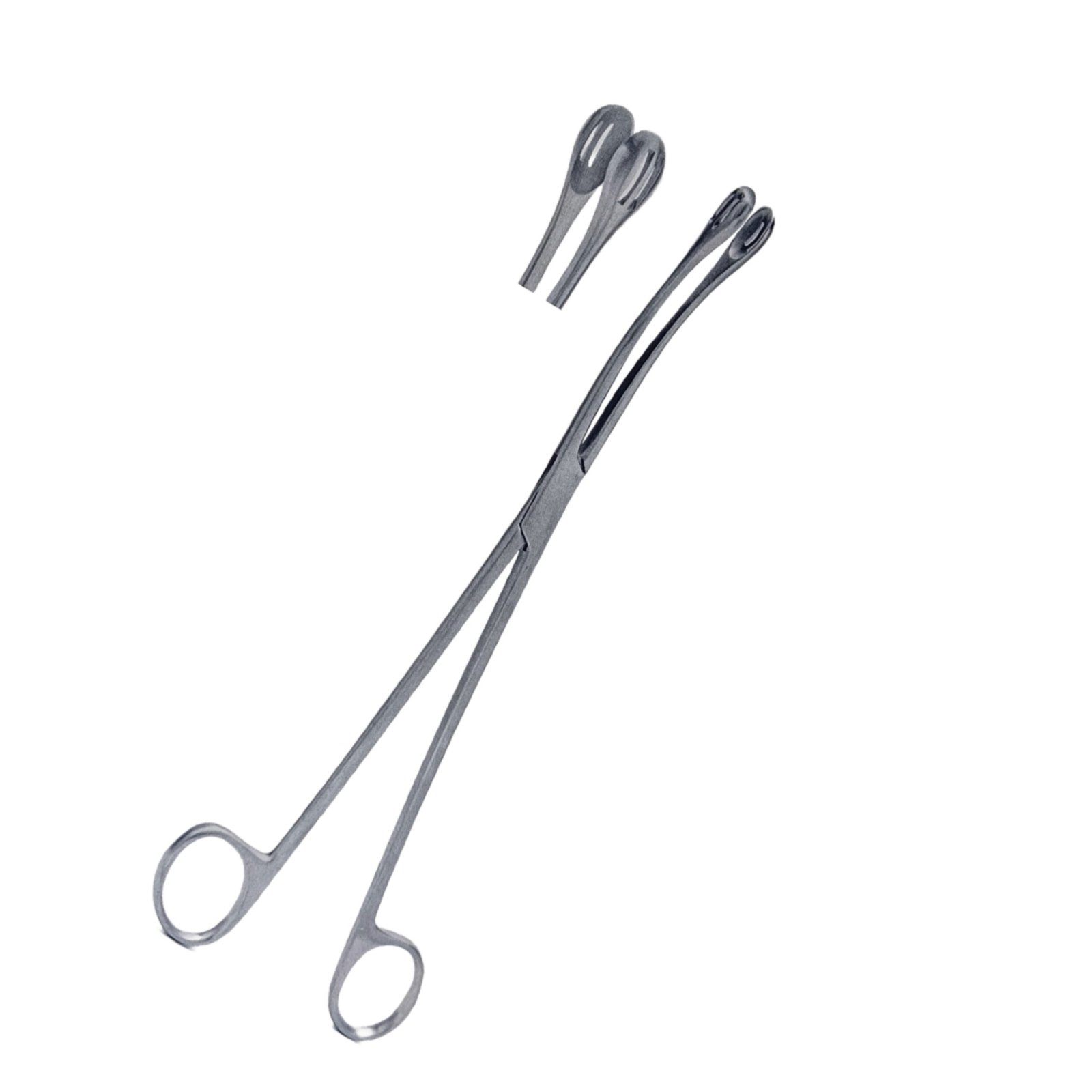
Ovum forceps
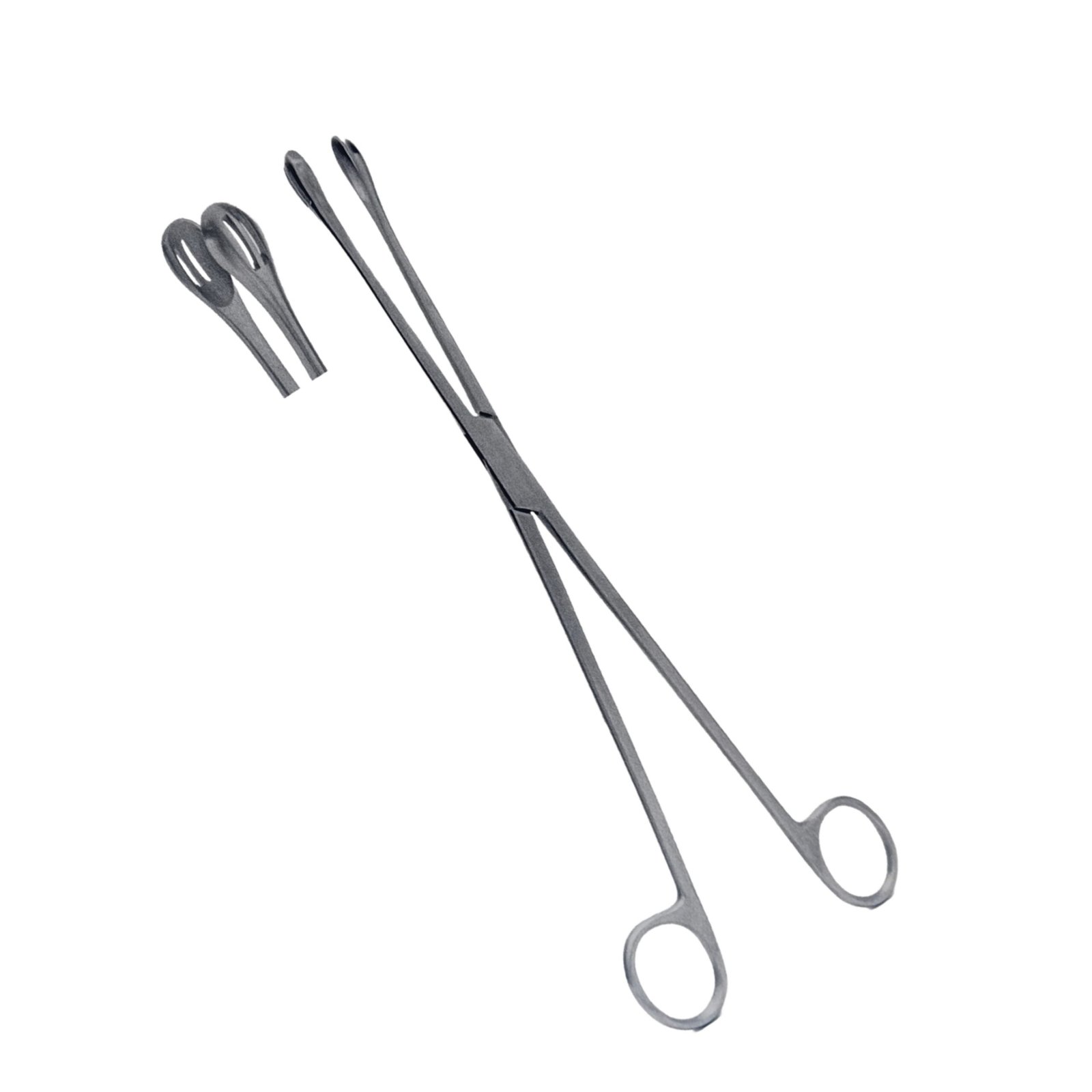
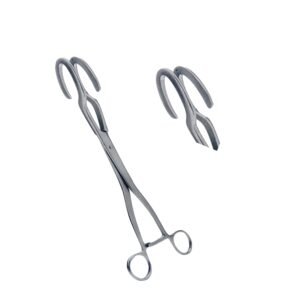
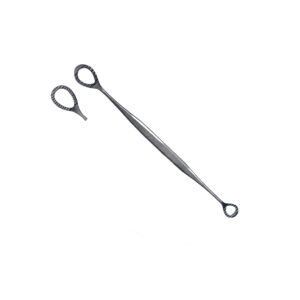
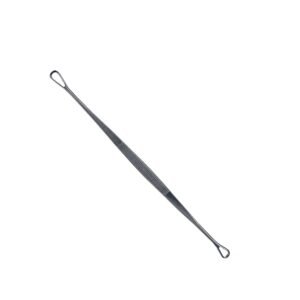
Ovum forceps are specialized, long-handled surgical instruments primarily used in obstetrics and gynecology to grasp, hold, manipulate, and remove tissue from the uterus, such as the ovum (in early pregnancy), placenta, or retained products of conception. They are crucial for procedures like dilation and curettage (D&C), postpartum care, and sometimes in IVF egg retrieval.
Here is a detailed breakdown of how ovum forceps work:
1. Design Features for Functionality
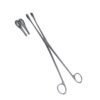
- Structure: They are long, straight, or slightly curved instruments, often measuring around 10-13 inches to reach deep into the uterus.
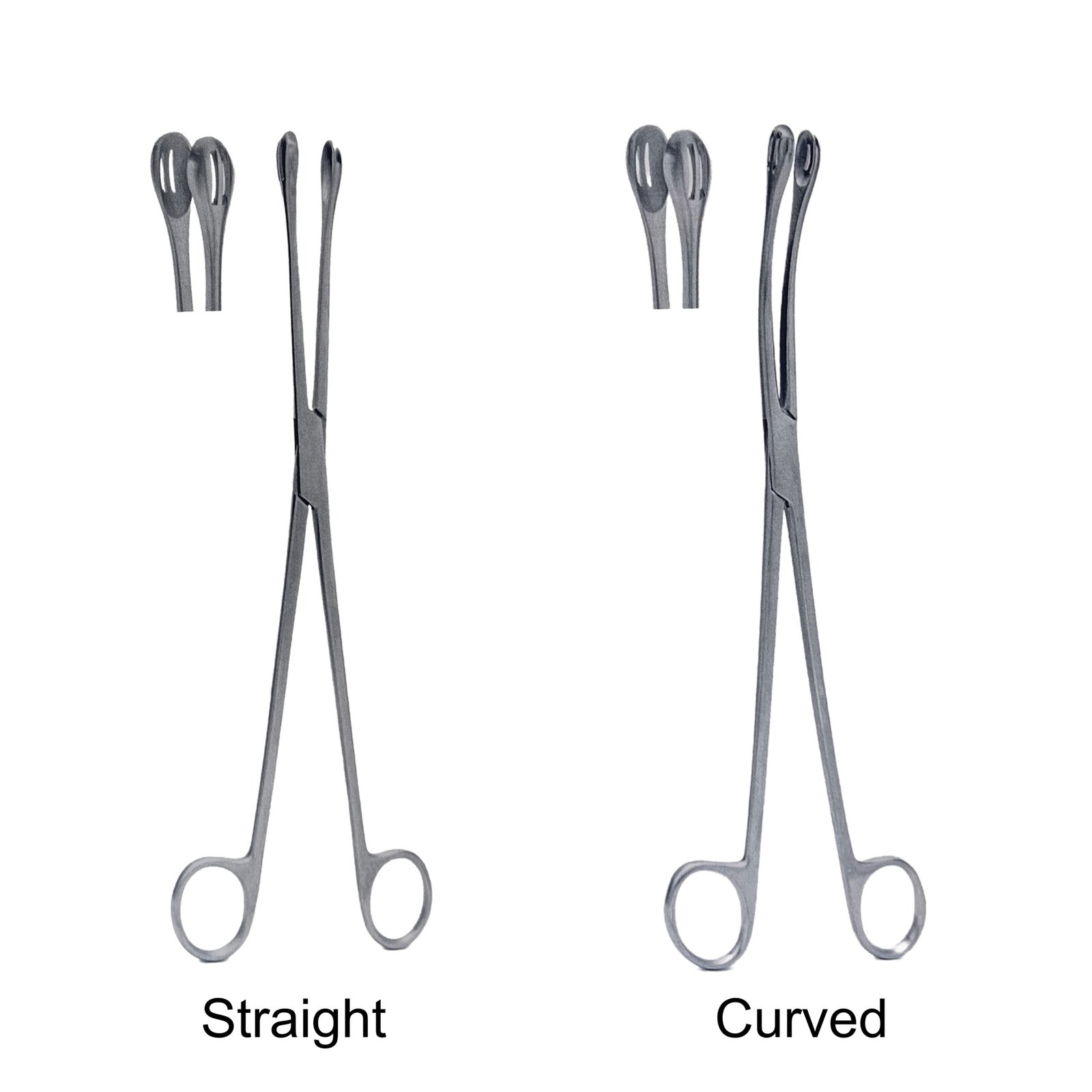
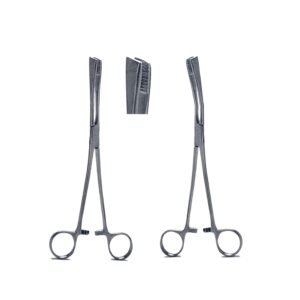
- Jaws: The jaws are typically spoon-shaped, oval, and fenestrated (having an open, window-like space). This design allows them to securely hold soft, slippery tissue without crushing it.
- Serrations: The jaws often feature serrated edges or teeth on the inside to provide a firm, secure grip on tissue.
- Locking Mechanism (Ratchet): Most ovum forceps are equipped with a finger-ring handle and a ratchet locking system. This locks the blades in place, allowing the surgeon to hold tissue firmly without constantly applying pressure, reducing user fatigue.
- Atraumatic Tips: They are designed with rounded or blunt tips to prevent perforation of the uterus during manipulation.
2. How They Work During Procedures
- Introduction: The closed forceps are inserted through the dilated cervix into the uterine cavity.
- Grasping: Once inside, the jaws are opened. The surgeon manipulates the instrument to locate the retained placental fragments or products of conception, using ultrasound guidance if necessary.
- Removal: The spoon-shaped, serrated jaws are closed around the tissue, trapping it securely in the hollow, fenestrated center, and the tissue is then removed.
- Manipulation: Because of their long, slim, and sometimes curved design, they can be used to navigate different areas of the uterine cavity to ensure all products of conception are removed.
3. Key Applications
- Retained Products of Conception (RPOC): Used following a miscarriage or abortion to remove remaining placenta or embryonic tissue to prevent infection or hemorrhage.
- Postpartum Hemorrhage: Used to remove retained placenta bits immediately following childbirth.
- D&C Procedures: Used to remove abnormal uterine tissue or during therapeutic abortions.
- IVF Procedures: Specific, smaller variations are used to retrieve oocytes (eggs) during assisted reproductive technology procedures.
4. Types and Variations
- Sopher Ovum Forceps: Known for their wide, concave, serrated jaws, often used in D&C for large amounts of tissue.
- Winter Placenta Forceps: Commonly used for removing placenta, characterized by their spoon-shaped jaws.
- Fink/Blumenthal Forceps: Feature specialized, curved tips for better access to specific uterine areas.
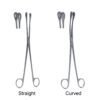
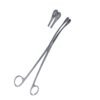
- Curved vs. Straight: Curved forceps allow for easier navigation around the uterine anatomy, while straight ones are useful for direct, vertical access.
5. Maintenance
Ovum forceps are typically made from high-quality stainless steel and are reusable. They must be thoroughly cleaned, disinfected, and sterilized, preferably via autoclaving, to prevent infection.
Note: While sometimes referred to as “forceps,” these are distinct from obstetrical delivery forceps used to aid the birth of a baby’s head.
Reviews
There are no reviews yet.