


Description
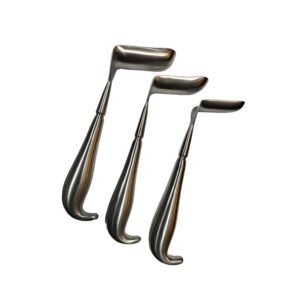
use nathanson retractor for laparoscopy
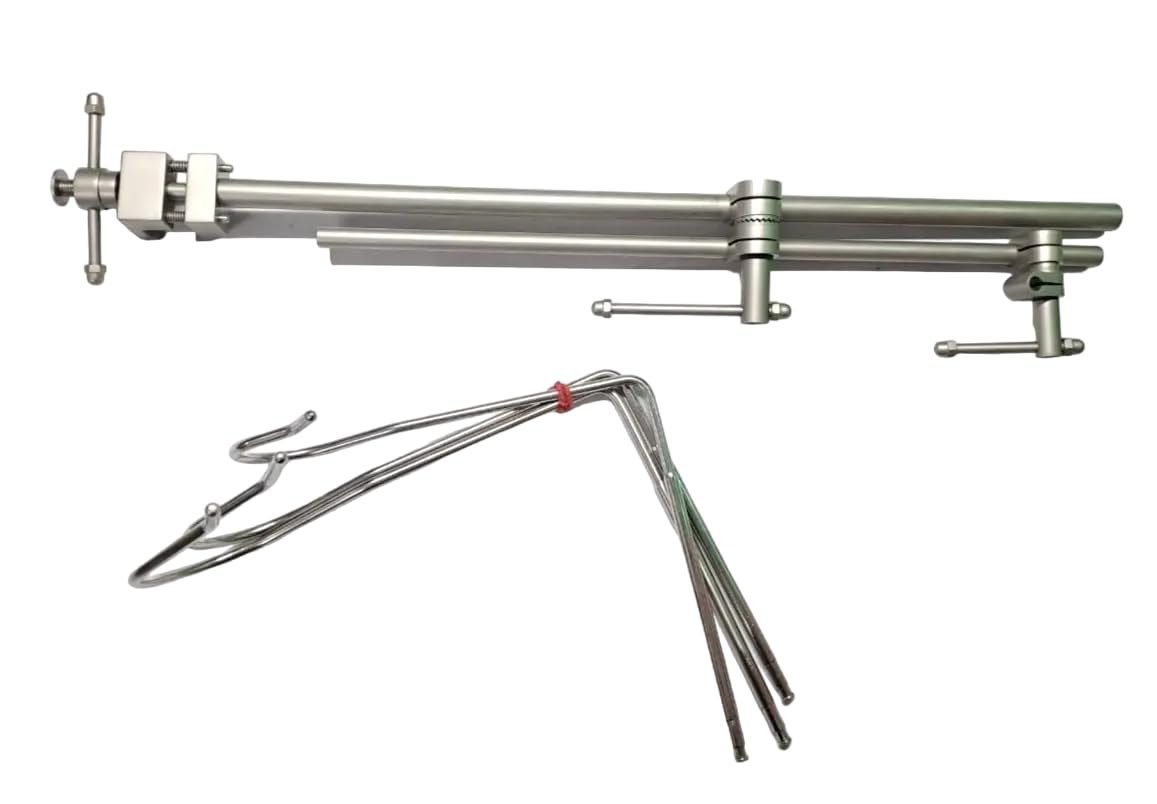
The Nathanson retractor is a specialized instrument used in laparoscopy to provide stable, atraumatic elevation of the left liver lobe, enhancing exposure for upper GI procedures like cholecystectomy, Nissen fundoplication, and bariatric surgery. It is typically inserted through a small epigastric incision, positioned under the liver, and clamped to the operating table to maintain consistent, hands-free retraction.
Key Aspects of Nathanson Retractor Use:
Insertion Technique: Often inserted through a stab wound in the epigastric region by blunt force, or via a guided technique (e.g., using a catheter) to minimize liver injury, hematoma, or false tract formation.
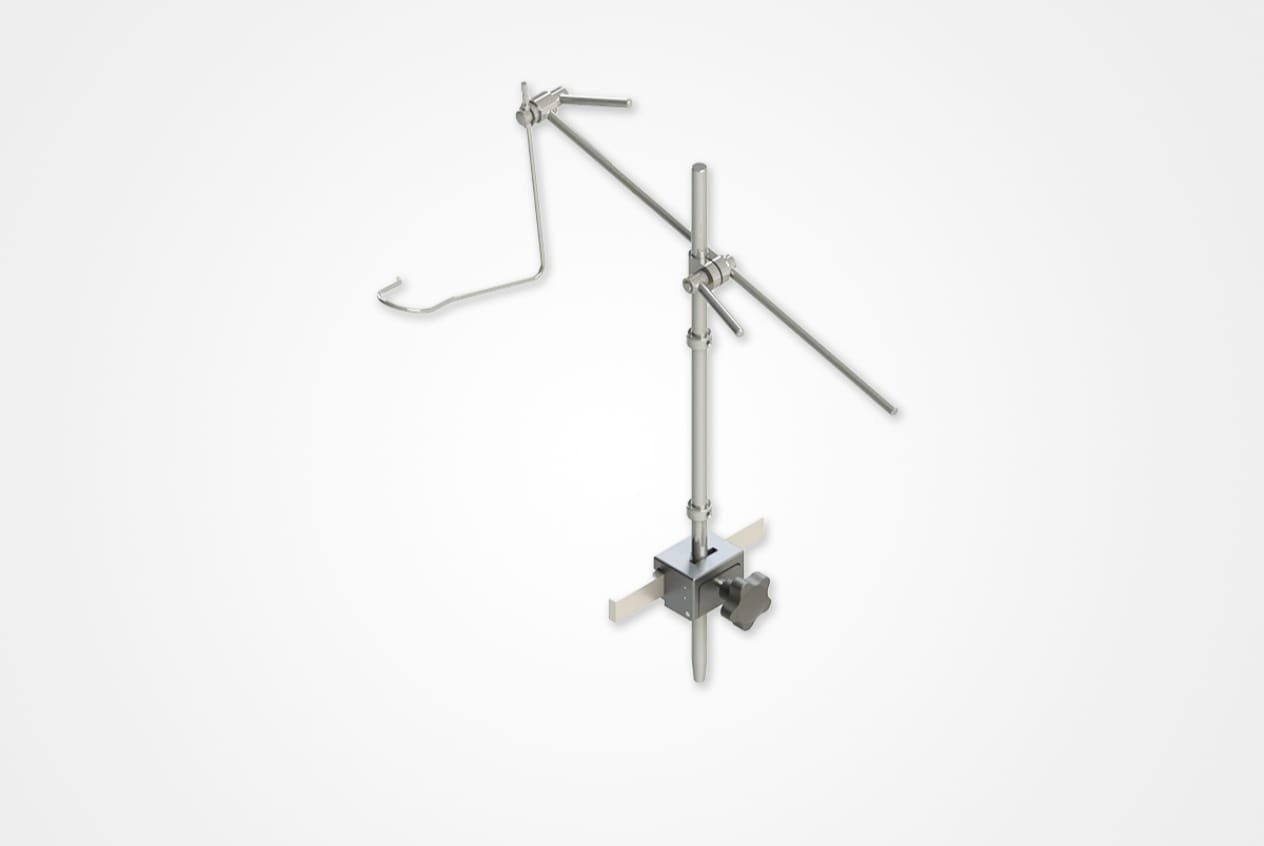
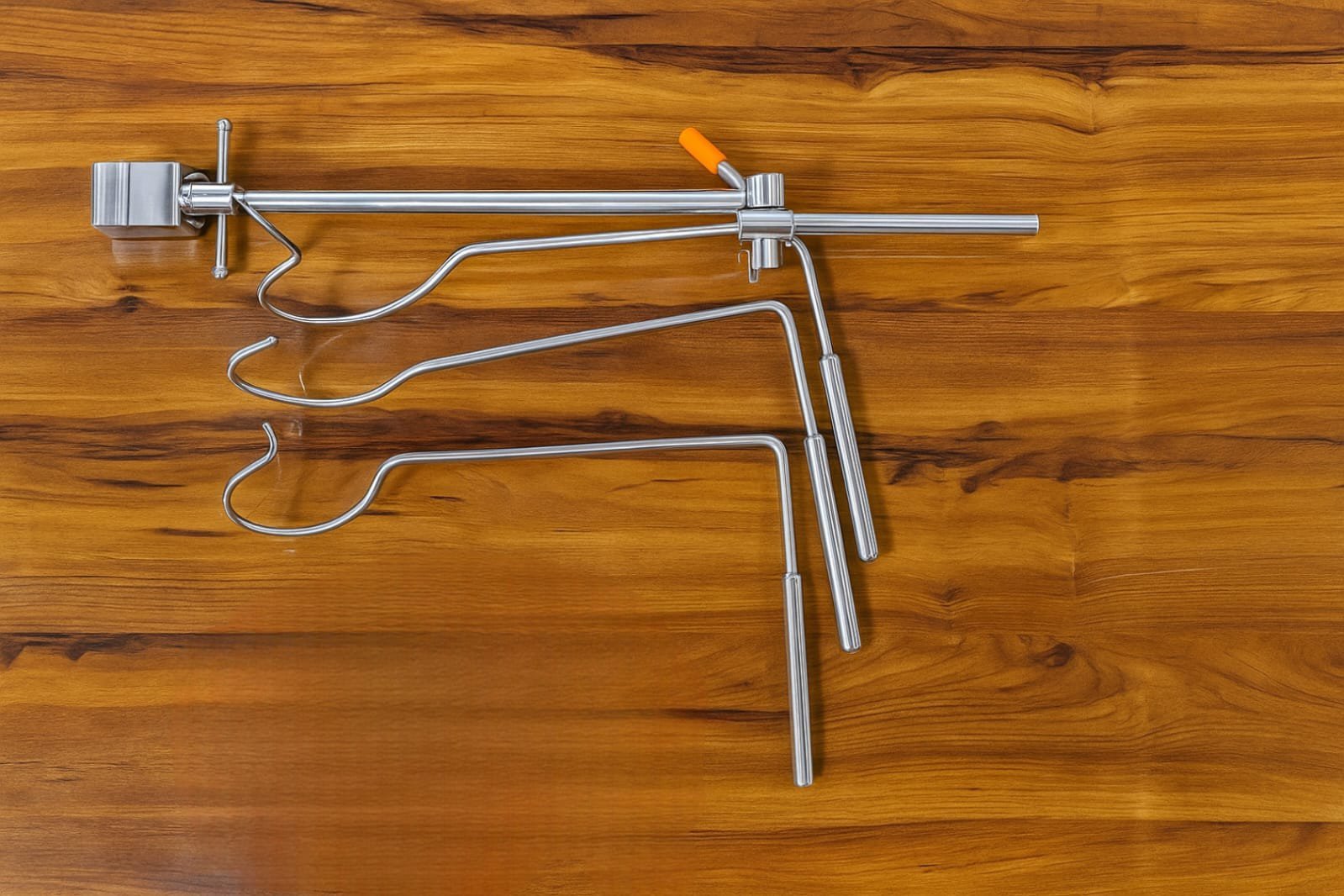
Fixation: The proximal, hexagonal end connects to a mechanical holding device clamped to the operating table, preventing slippage.
Design & Types: Features a “?-shaped” hook, available in various sizes to accommodate different patient body habitus, including pediatric and bariatric patients.
Advantages: Provides consistent, long-term, and stable retraction without requiring manual assistance, which improves surgeon efficiency and reduces fatigue.
Clinical Applications: Primarily used in laparoscopic procedures around the hiatus, such as gastroesophageal junction surgeries, but also in complex, or massive, splenic cases.
Safety Considerations:
While generally safe, improper or aggressive insertion can cause liver damage. While it may slightly increase liver enzymes, this typically does not cause significant clinical problems when used with care.

Reviews
There are no reviews yet.