


Description
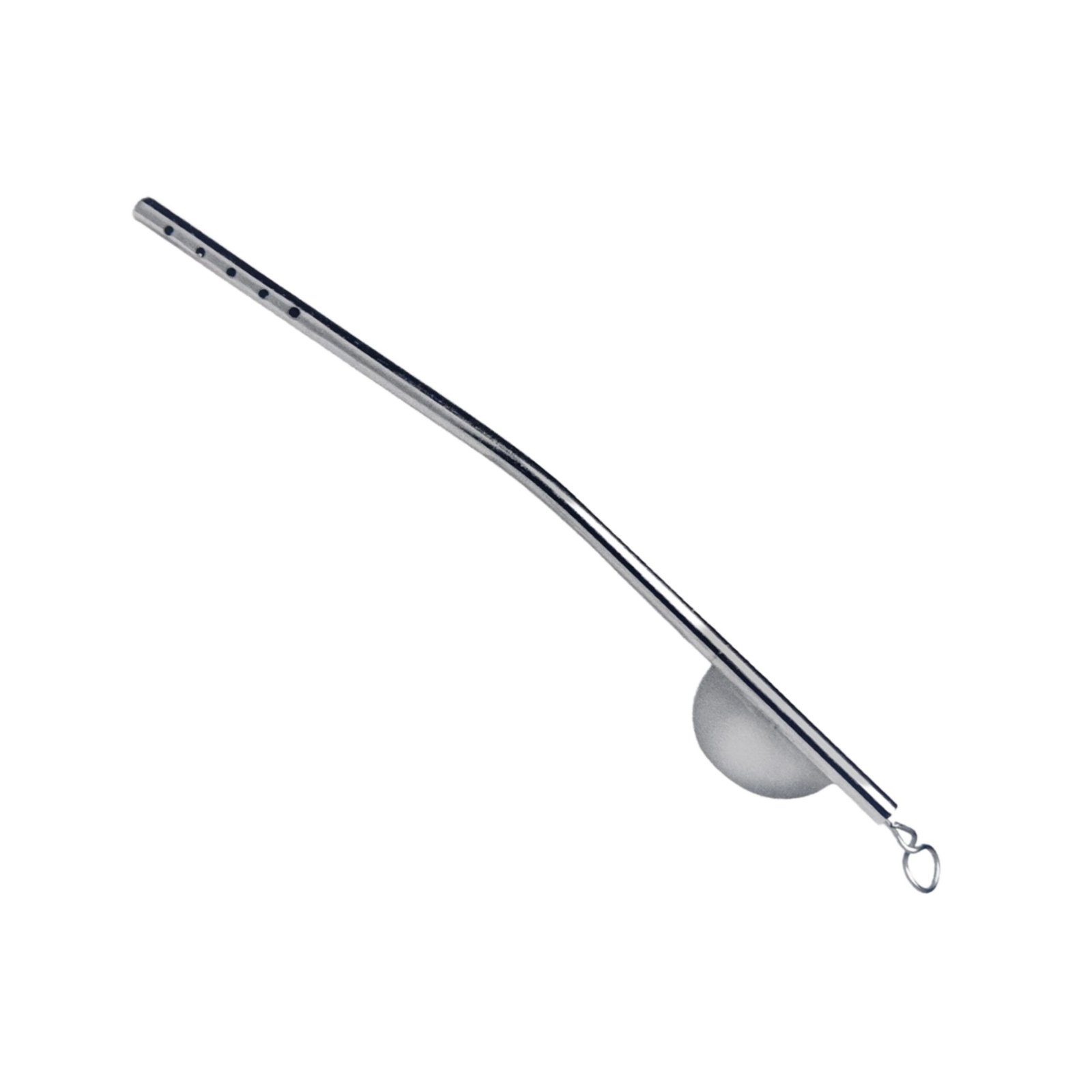
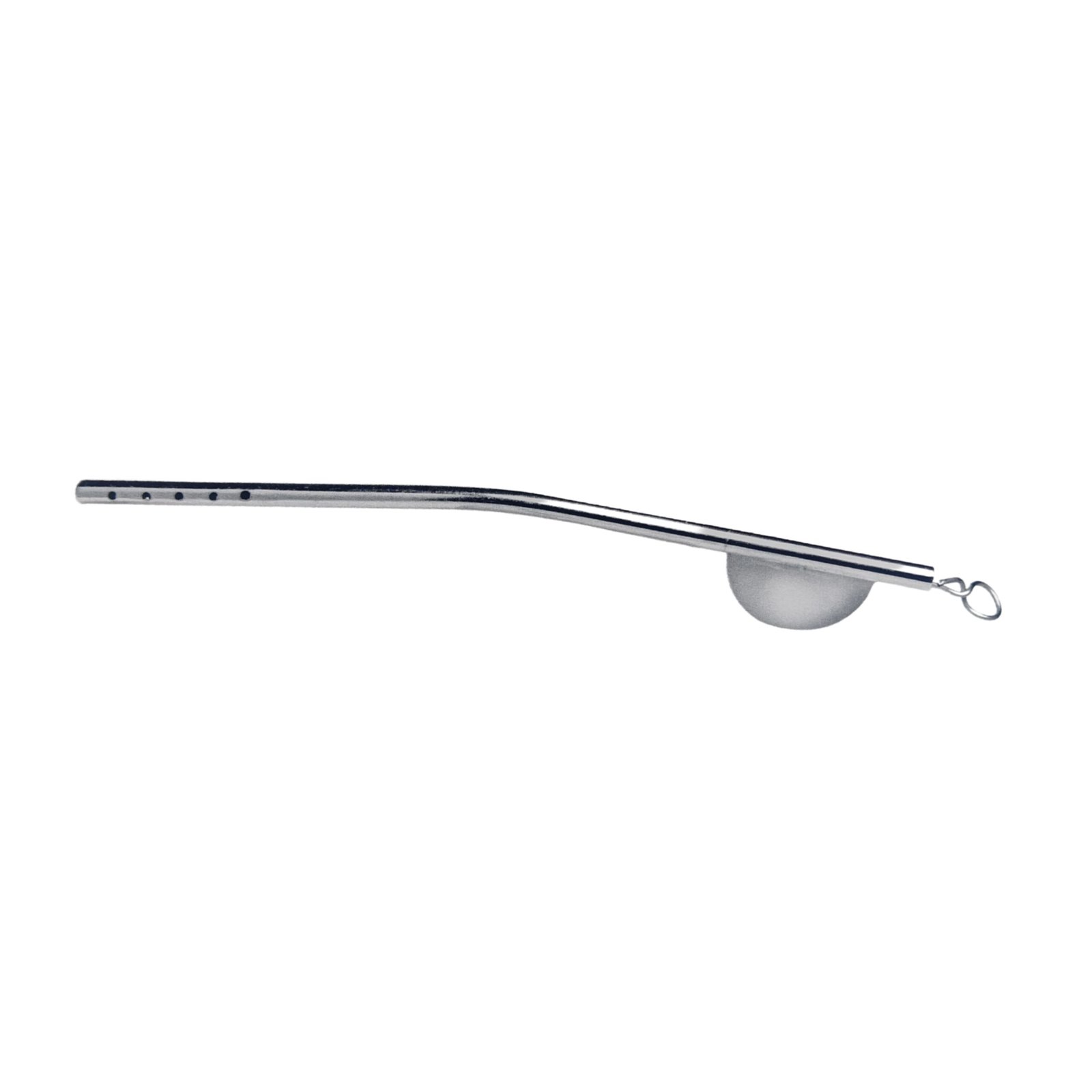
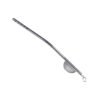
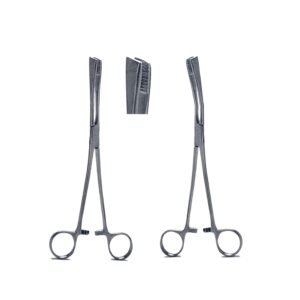
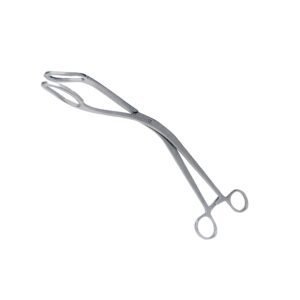
Female metal catheter
A female metal catheter is a specialized, rigid, re-usable medical instrument designed to drain urine from the bladder, typically used in clinical, operating room, or specific urological scenarios. Unlike common disposable catheters, these are usually manufactured from high-quality stainless steel and are designed for precision, durability, and controlled handling during short-term procedures.
Here is a detailed look at how they work and their application:
1. Design and Components
- Material: High-grade, corrosion-resistant, sterile stainless steel.
- Structure: They are rigid tubes, often with a slightly curved, non-traumatic tip designed to navigate the female anatomy easily.
- Working End: The tip is blunt and rounded to prevent tearing or injury to the urethra.
- Length: Specifically tailored to the shorter female urethra, generally ranging from 3 to 8 inches.
- Size: Available in various French (Fr) sizes, typically smaller to reduce discomfort.
2. Primary Uses
- Urinary Retention: Used for temporary relief when the patient cannot urinate, such as after surgery or in cases of blockage.
- Sterile Sample Collection: Facilitates collecting a clean urine sample for diagnostics.
- Pre/Post-Surgical Drainage: Used in operating rooms to empty the bladder before or after pelvic or urological surgeries.
- Bladder Flushing: Used to flush out blood clots or debris from the bladder.
- Dilatation: Sometimes used to guide the placement of other instruments or tubes.
3. Detailed Insertion Procedure (Clinical Setting)
Due to their rigid nature, these are almost exclusively used by trained medical professionals.
- Preparation & Hygiene: The patient is placed in a dorsal recumbent position (on back, knees bent, feet flat). The urethral area is cleansed with antiseptic solution using sterile technique.
- Lubrication: The metal catheter is generously lubricated with a sterile gel to facilitate smooth insertion.
- Insertion: The healthcare provider gently separates the labia and inserts the catheter into the urethra.
- Drainage: The catheter is advanced until urine flows out, signaling it has reached the bladder.
- Removal: Once the bladder is emptied, the catheter is slowly withdrawn.
4. Advantages and Disadvantages
- Advantages:
- Reusable: They are designed to be sterilized (autoclaved) and used multiple times.
- Durability: They do not collapse or kink.
- Precision: Rigid structure allows for precise control, which is useful in difficult catheterizations.
- Disadvantages:
- Discomfort: They can be more uncomfortable to insert and wear compared to soft, flexible silicone or PVC catheters.
- Trauma Risk: Rigid, non-flexible design can increase risk of urethral irritation or injury if not inserted carefully.
- Infection Risk: Improper sterilization of a re-usable tool increases the risk of UTIs.
5. Maintenance and Safety
- Sterilization: Must be rigorously cleaned and autoclaved (or chemically sterilized) after every use.
- Inspection: Regular inspection for corrosion or structural damage is required.
- Force: Never force the catheter if resistance is encountered, as this can cause severe damage.
Reviews
There are no reviews yet.