


Description
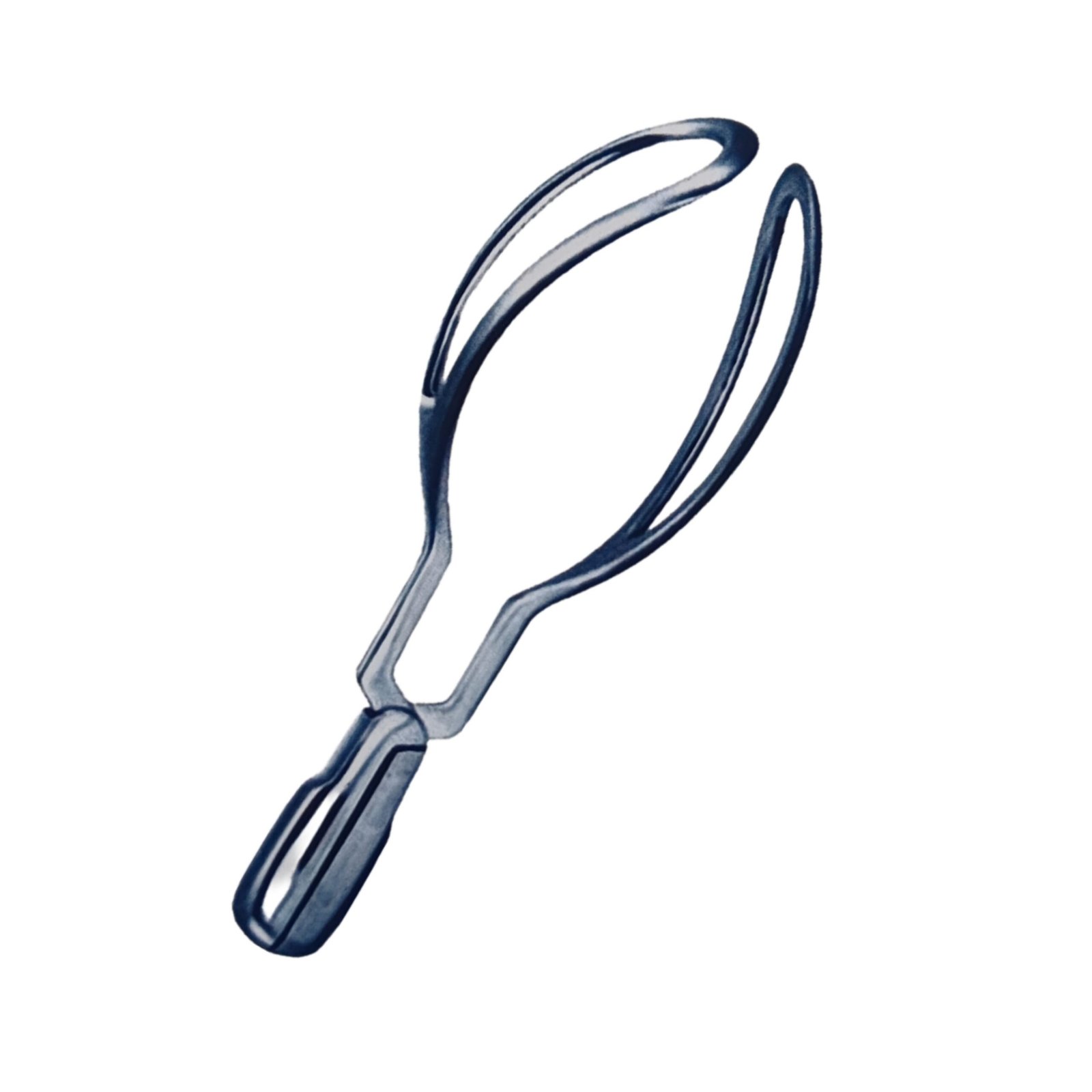
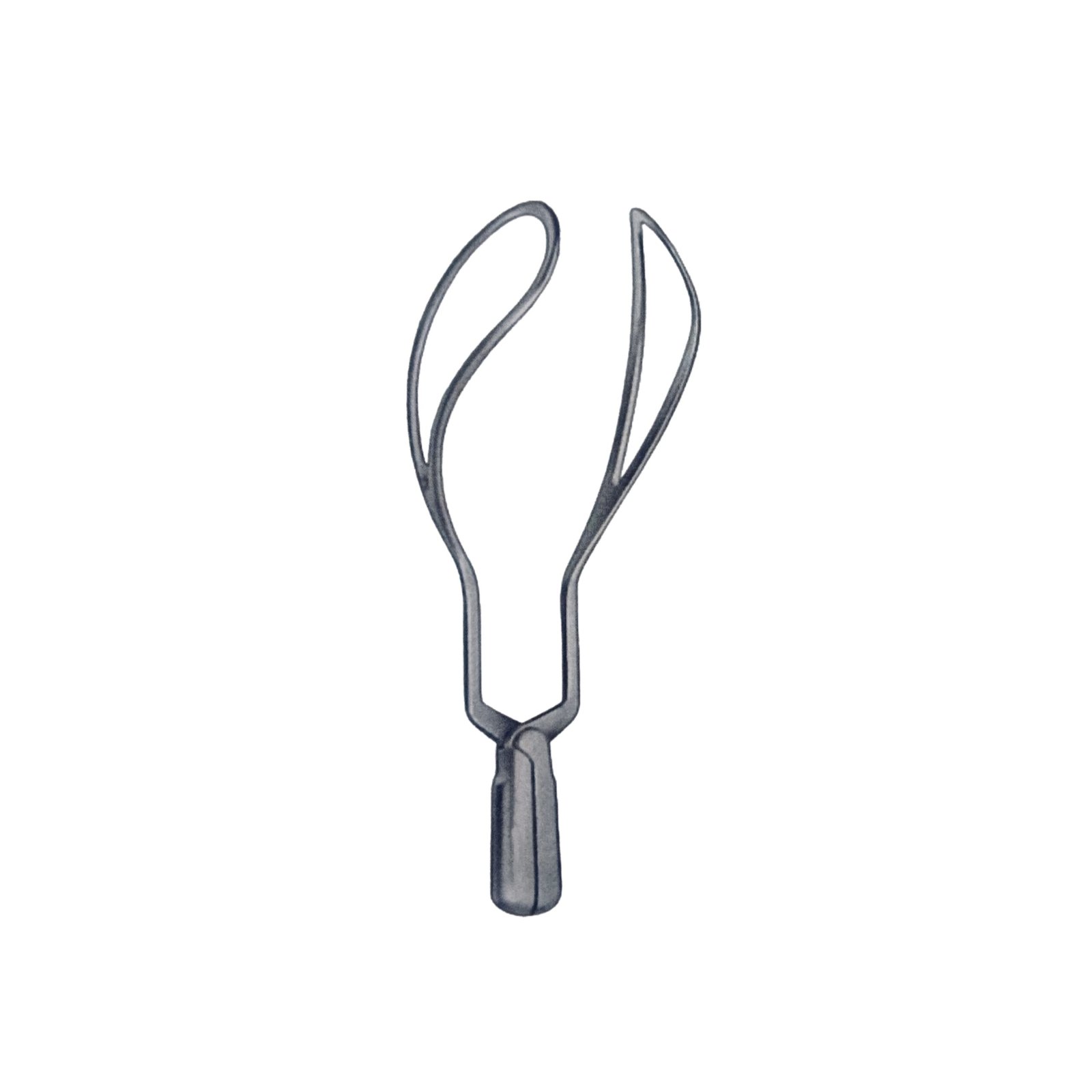
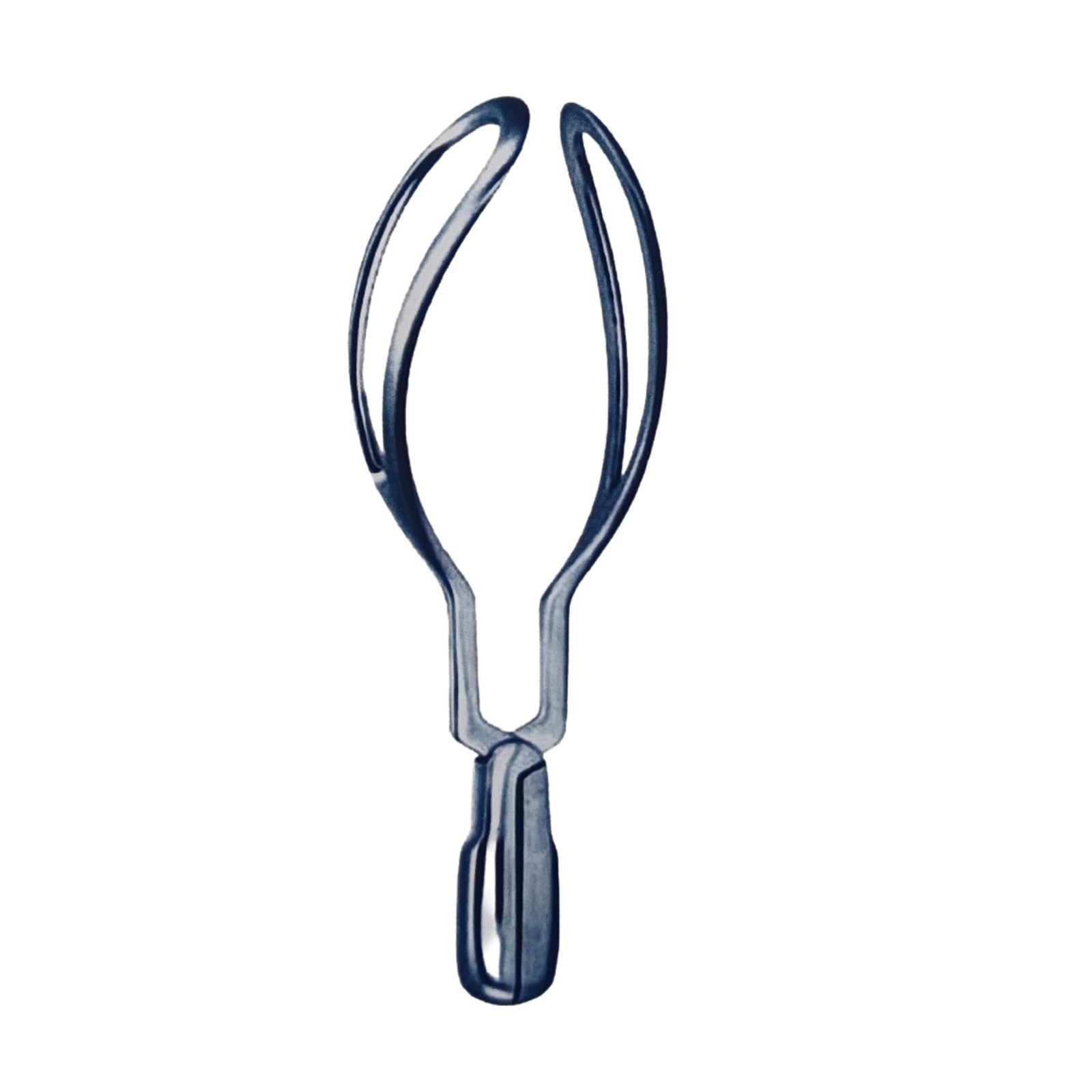
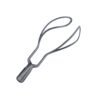
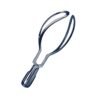
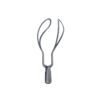
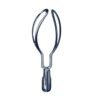
Obstetric forceps
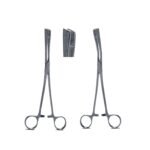
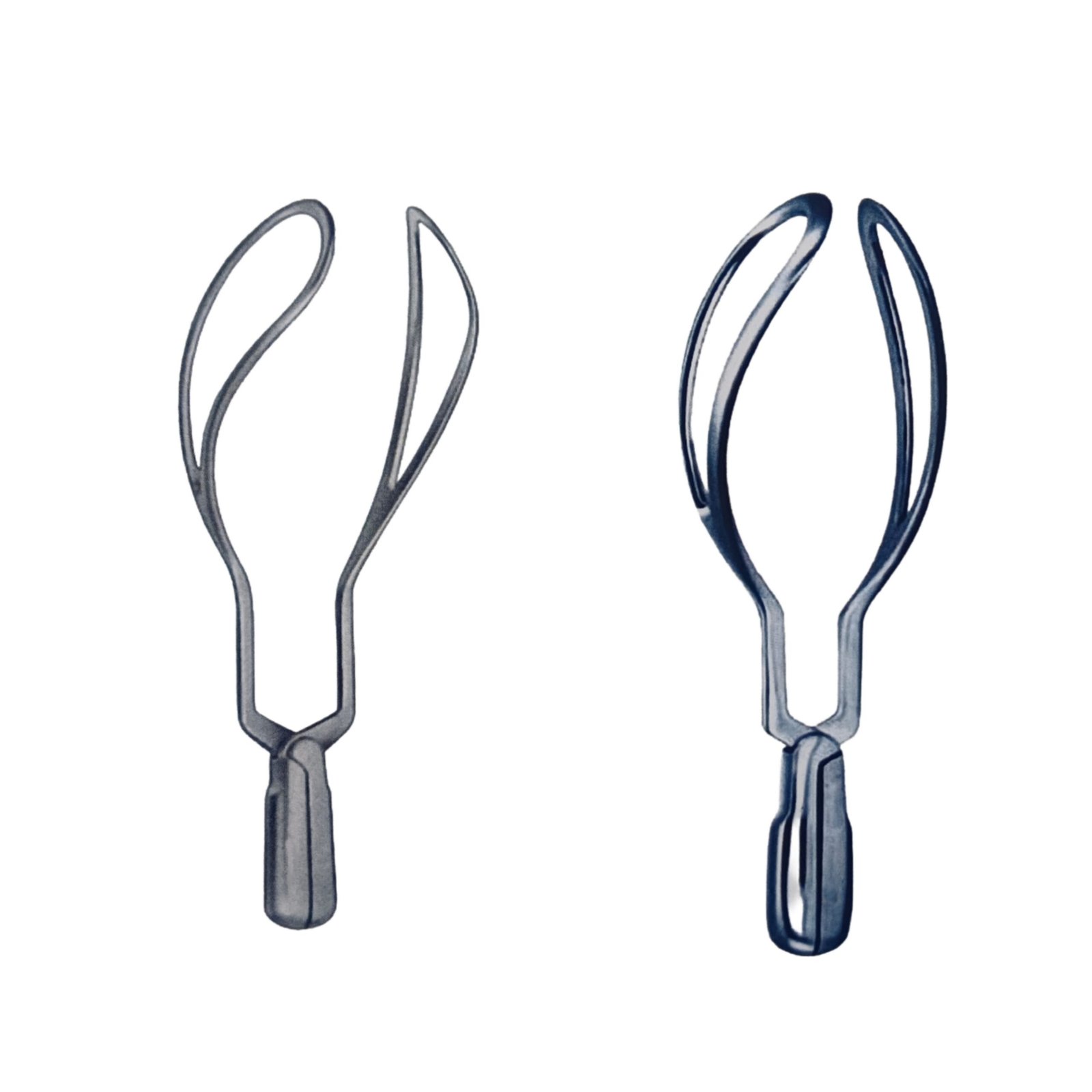
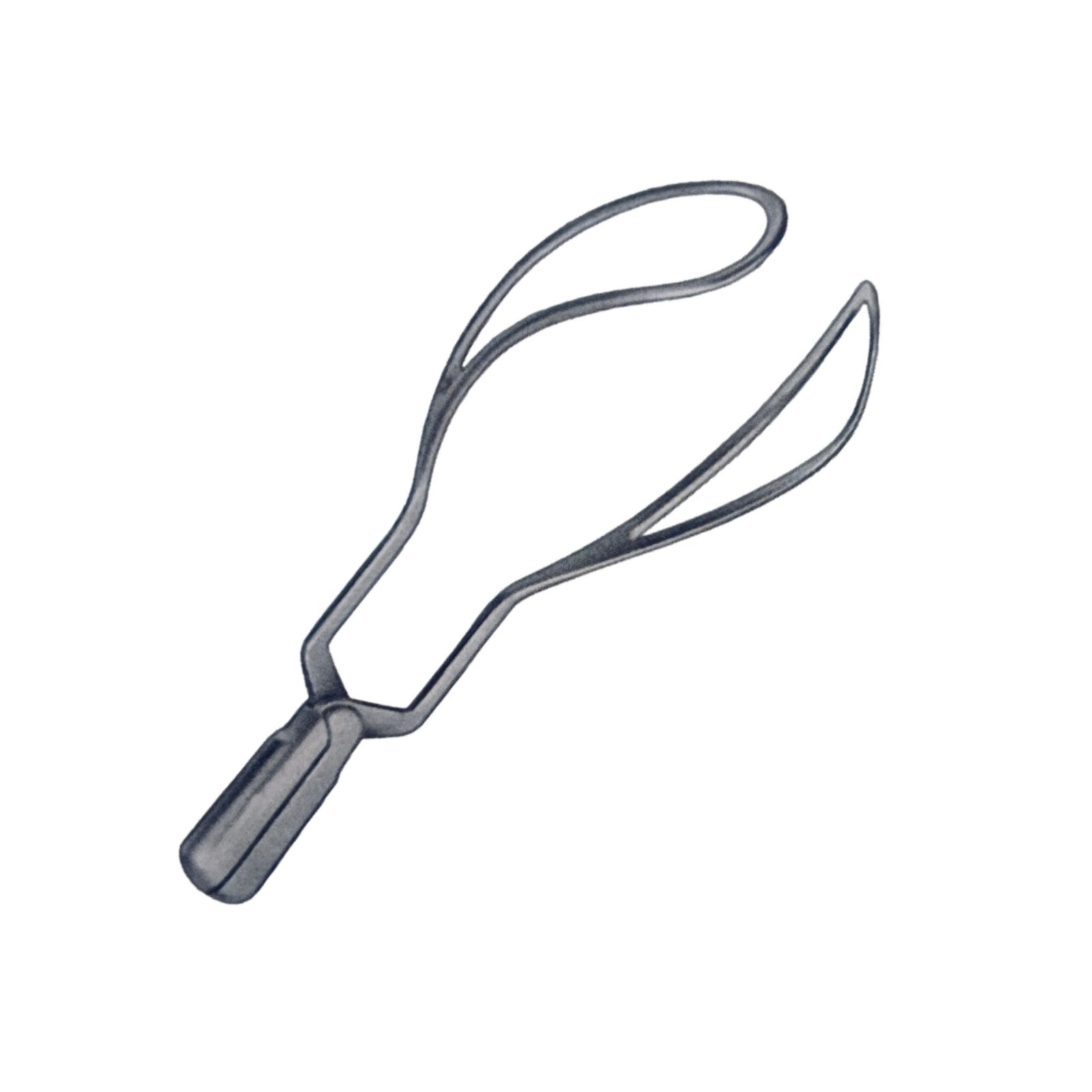
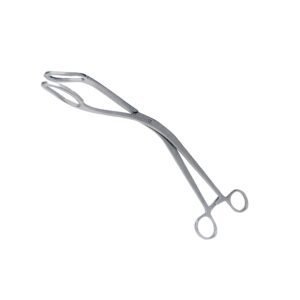
Obstetric forceps are specialized, double-bladed metal instruments designed to assist in the delivery of a fetus by applying gentle traction to the fetal head, usually in the second stage of labor when the head is already deep in the birth canal.
They function by providing a “protective cage” around the baby’s head, allowing for rotation, flexion, or extension of the head to align it properly with the pelvis, thereby facilitating vaginal birth and reducing the need for emergency C-sections.
Components of Obstetric Forceps
Most forceps consist of two branches (left and right) that lock together, comprising four main parts:
- Blades: The curved portion that grasps the fetal head. They have a cephalic curve (conforming to the baby’s head shape) and a pelvic curve (conforming to the shape of the birth canal). They can be fenestrated (hollow) or solid.
- Shanks: Connect the blades to the handles, providing length.
- Lock: The articulation mechanism connecting the two branches.
- Handles: Held by the operator to apply traction.
How They Work: The Procedure
- Preparation and Assessment: Before application, the cervix must be fully dilated, membranes ruptured, the head must be engaged (descended), and the position of the fetal head must be known.
- Insertion: The blades are inserted individually into the birth canal, usually one at a time, fitting around the fetal head, typically over the parietal eminences.
- Locking: The two blades are locked together, ensuring they are not too tight to avoid damaging the fetus.
- Traction: During a contraction, while the mother is pushing, the obstetrician applies gentle, downward, and outward force in the axis of the pelvis.
- Rotation (If Needed): If the head is not in the ideal position, forceps (specifically types like Kielland) can be used to rotate it.
- Removal: Once the head crowns, the forceps are unlocked and removed.
Common Types of Forceps
- Simpson Forceps: Used for a molded fetal head (common in first-time mothers).
- Elliot Forceps: Suitable for a rounded, less molded head.
- Kielland Forceps: Characterized by a minimal pelvic curve and a sliding lock, designed specifically for rotating the head.
- Wrigley’s Forceps: Short, for low/outlet deliveries to reduce the risk of uterine rupture.
- Piper’s Forceps: Feature a perineal curve for after-coming head in breech deliveries.
Indications
- Prolonged 2nd stage of labor: When pushing is not working.
- Fetal distress: To quickly deliver the baby.
- Maternal illness: Conditions where pushing is dangerous (e.g., heart disease).
- Premature birth: To protect the soft head.
Risks
- Maternal: Vaginal tears, lacerations (3rd or 4th degree), pain, and potential short-term urinary incontinence.
- Fetal: Facial bruising, small cuts, nerve injuries (e.g., facial palsy), and, in rare cases, skull fractures or intracerebral hemorrhage.
While the use of forceps has declined in favor of vacuum extraction and C-sections, they are considered a safe, effective alternative to C-sections in skilled hands, particularly for rotating the fetal head or in premature deliveries.
Reviews
There are no reviews yet.