


Description
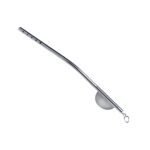
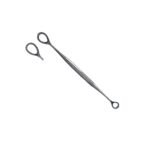
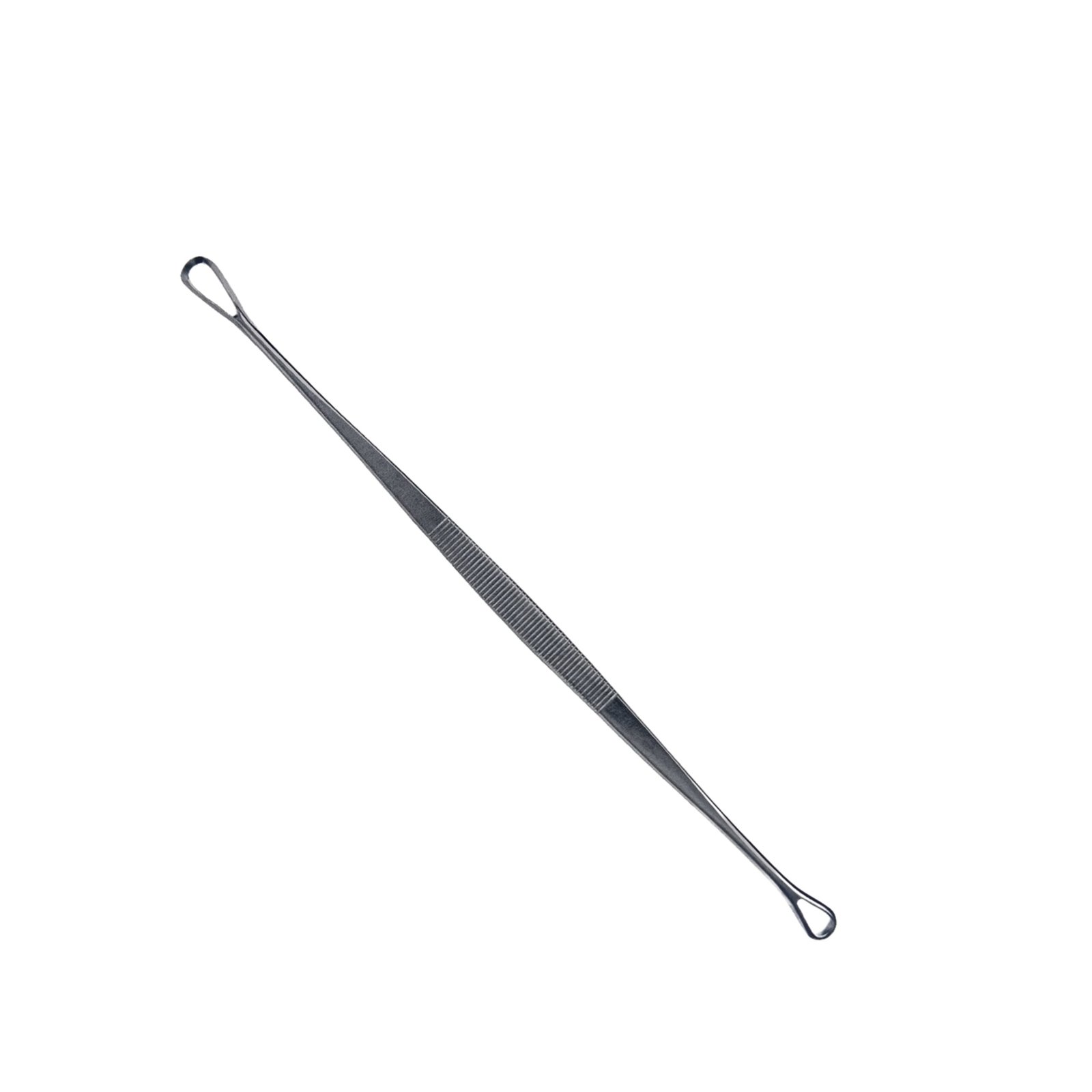
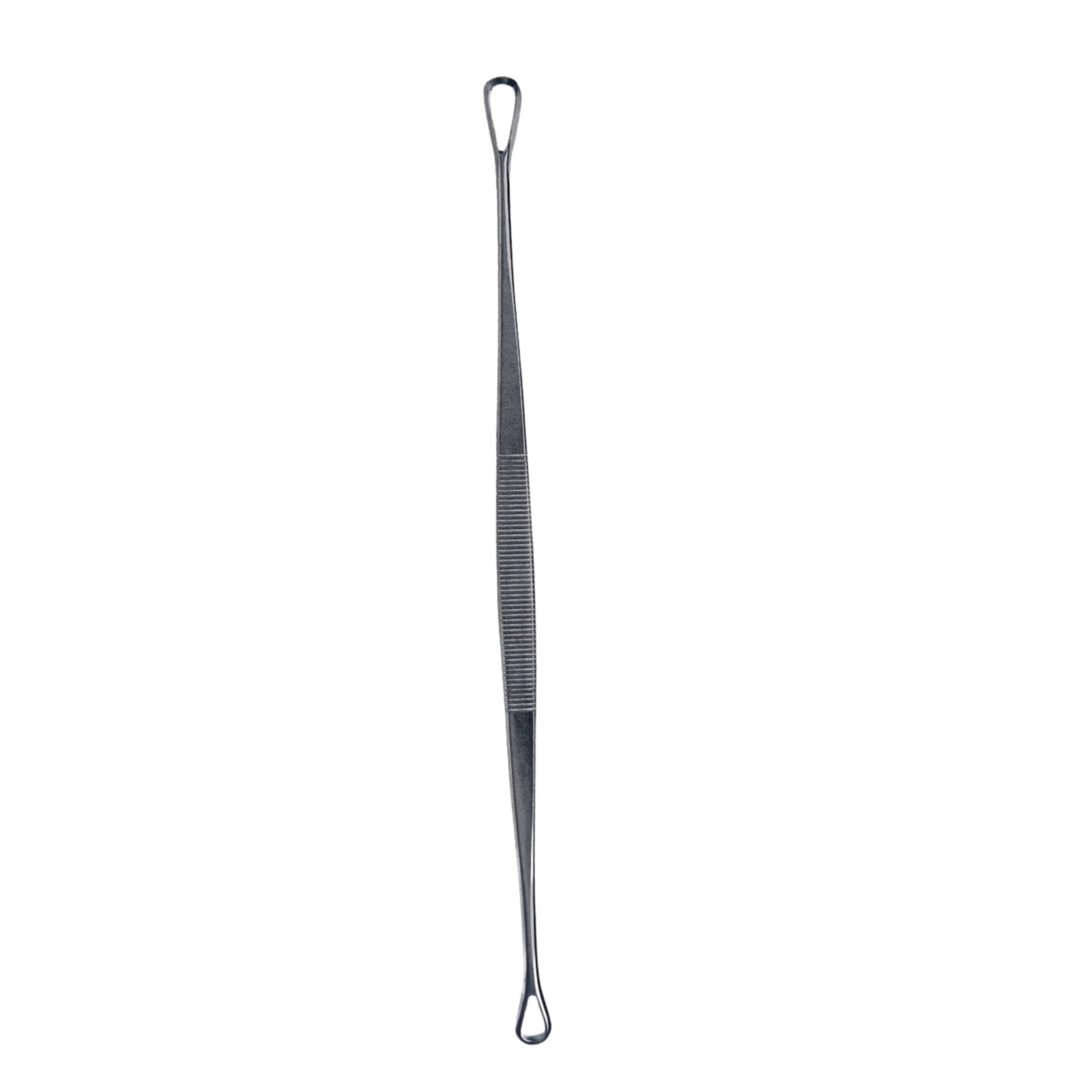
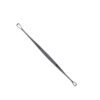
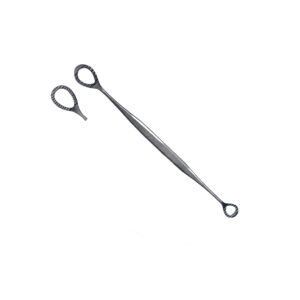
Uterine currette (Sharp)
A uterine curette is a specialized, spoon-shaped surgical instrument with a sharp or blunt edge, used in gynecology to scrape, sample, or remove tissue from the inside of the uterus (endometrium). It is the primary tool used in a Dilation and Curettage (D&C) procedure.
Detailed Mechanism of Action
The uterine curette works by being introduced through the cervical canal and passed into the uterine cavity. The surgeon then moves the instrument across the inner surface of the uterine walls to detach the endometrial lining.
- Scraping Action: Using the sharp or blunt loop at the distal end, the operator systematically scrapes the uterine cavity from the top (fundus) down to the cervix.
- The “Cry”: As the endometrium is removed and the tool reaches the underlying muscular wall, a characteristic sensation or vibration is felt, often referred to as the uterine “cry,” signalling that the tissue has been removed.
- Suction Variation: In some procedures, such as managing a miscarriage or early abortion, a suction curette (cannula) is used instead of a manual curette. This hollow tube is attached to a vacuum source (electric or manual) to suction out the uterine contents.
Types of Uterine Curettes
- Sharp Curettes: Used for obtaining diagnostic samples (endometrial biopsy) or removing firm tissues.
- Blunt/Serrated Curettes: Used when removing placental tissue after childbirth to reduce the risk of uterine perforation.
- Kevorkian Curette: Often used specifically for endocervical curettage (sampling the cervix).
- Suction/Vacuum Cannula: Rigid or flexible plastic, used for evacuation.
The D&C Procedure: Step-by-Step
The curette is used in a procedure involving several key steps:
- Preparation & Anesthesia: The patient is placed in the lithotomy position, and anesthesia (local or general) is administered.
- Dilatation: The cervix is gradually widened using a series of dilators (Hegar or Pratt dilators) until the opening is wide enough for the curette to enter.
- Curettage: The surgeon inserts the curette to the fundus of the uterus, using gentle, sweeping motions to scrape the lining.
- Removal & Examination: The tissue removed is collected for laboratory analysis (histopathological evaluation) to identify conditions like cancer or polyps.
Clinical Indications
- Diagnostic: Investigating abnormal uterine bleeding (e.g., between periods, postmenopausal bleeding) or abnormal cells in a Pap smear.
- Therapeutic: Removing retained placenta after delivery, removing tissue after a miscarriage/abortion, or removing uterine polyps or fibroids.
Potential Risks and Complications
- Uterine Perforation: The instrument may poke a hole in the uterine wall, a risk higher in pregnant or postmenopausal women.
- Asherman’s Syndrome: Scar tissue forming in the uterus, often as a result of over-aggressive scraping.
- Infection or Bleeding: Rare, but possible complications, which is why prophylactic antibiotics are often used in pregnant patients.
The procedure typically takes 10–20 minutes and is often done as an outpatient, requiring only a few hours of recovery time.
Reviews
There are no reviews yet.